Molecular Distortion Technology – Circular Textile Wastewater Remediation
01
Synopsis
Molecular Distortion (MD) Technology is a cutting-edge wastewater treatment innovation designed to transform textile wastewater into reusable water while eliminating hazardous chemicals and significantly reducing energy and greenhouse gas emissions. Within the SAFECONOMY: Reinventing the Textile Circular Economy project, MD Technology tackles one of the textile industry’s most pressing environmental challenges — the uncontrolled release of polluted wastewater — by enabling high-efficiency pollutant removal, water reuse, and emission reduction.
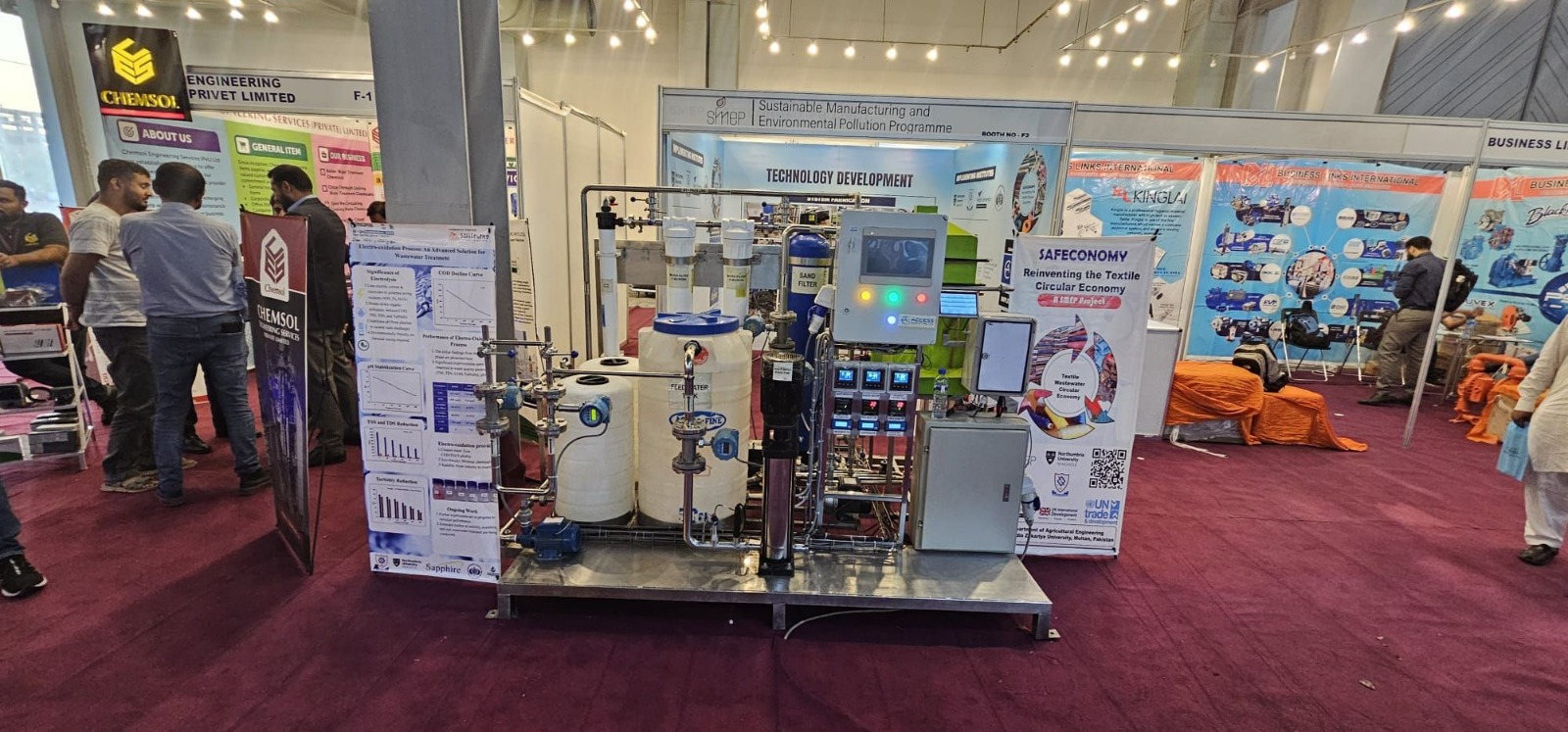
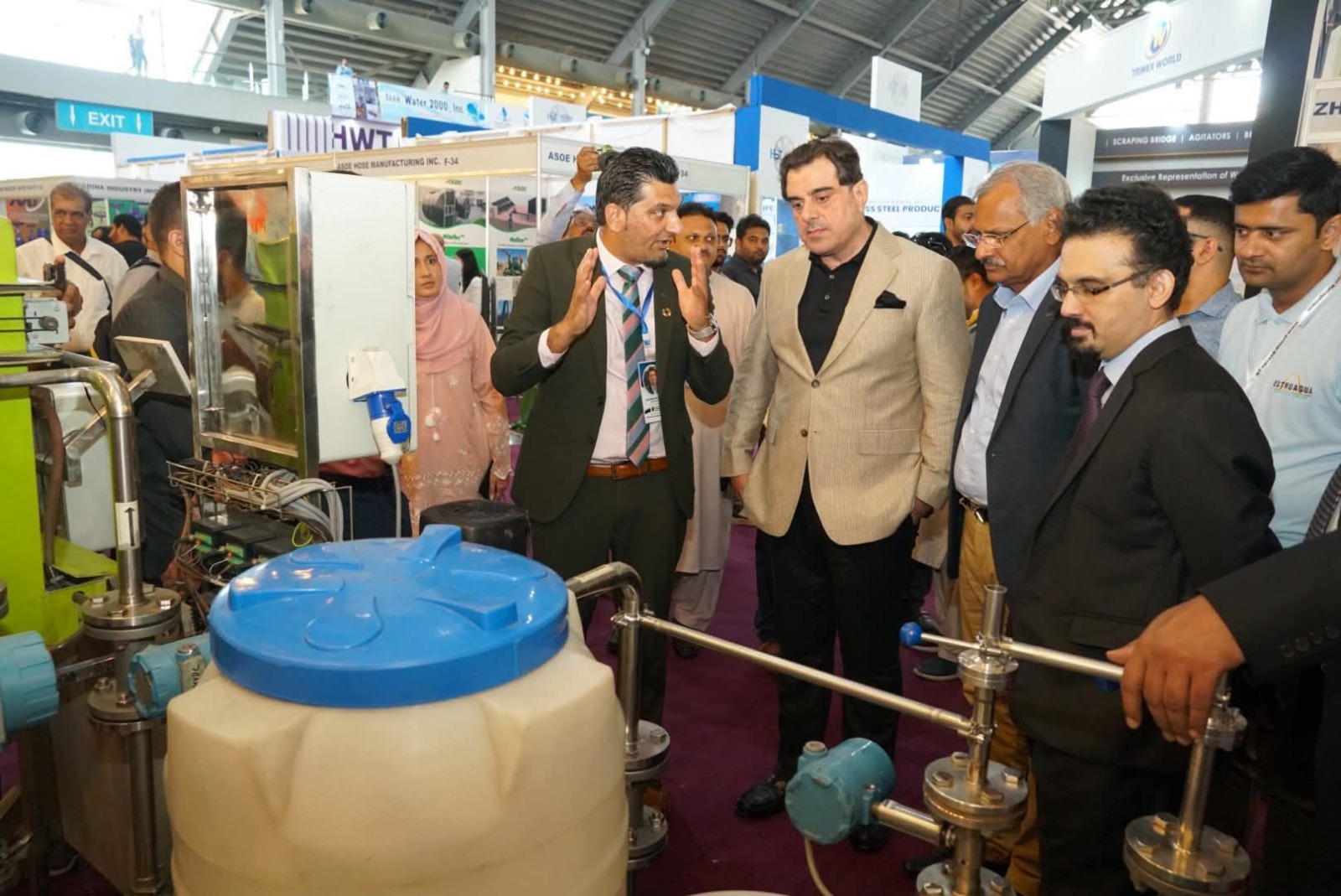
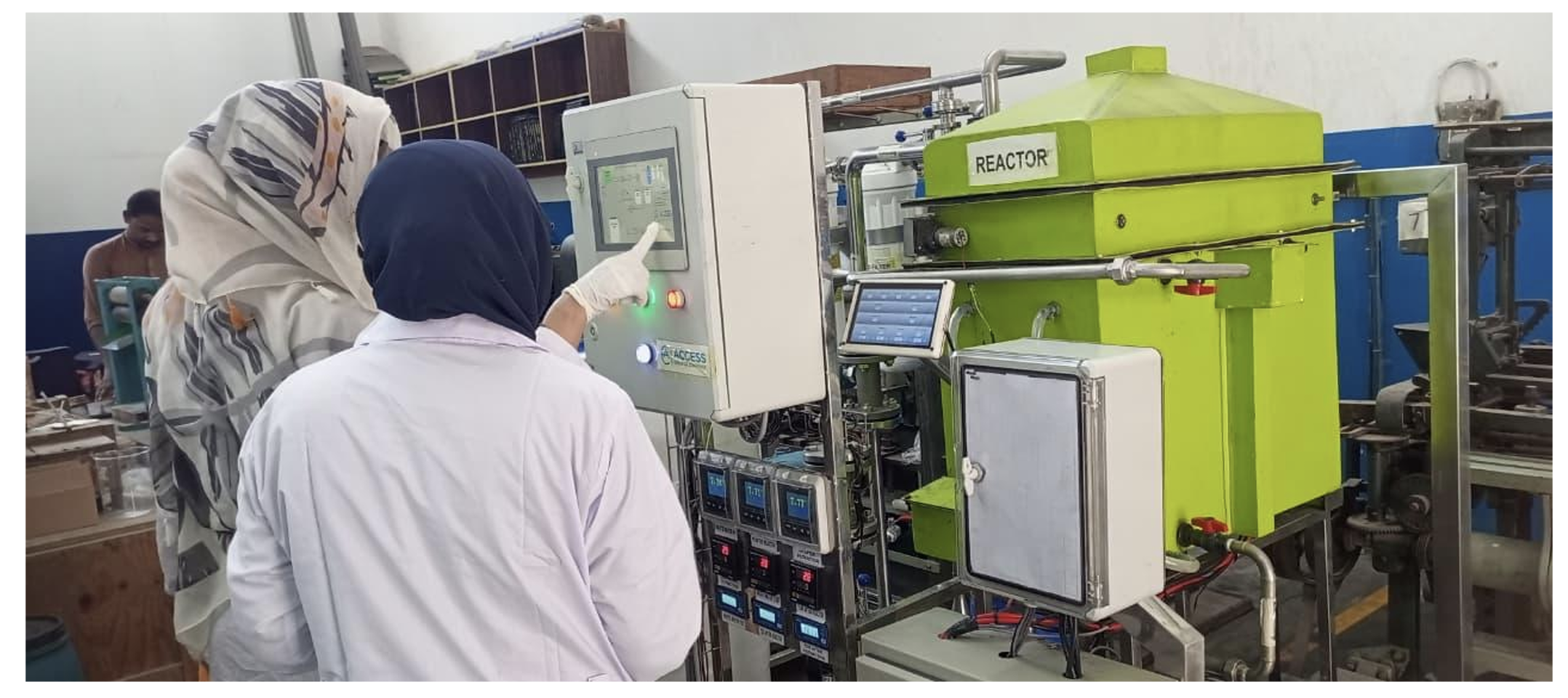
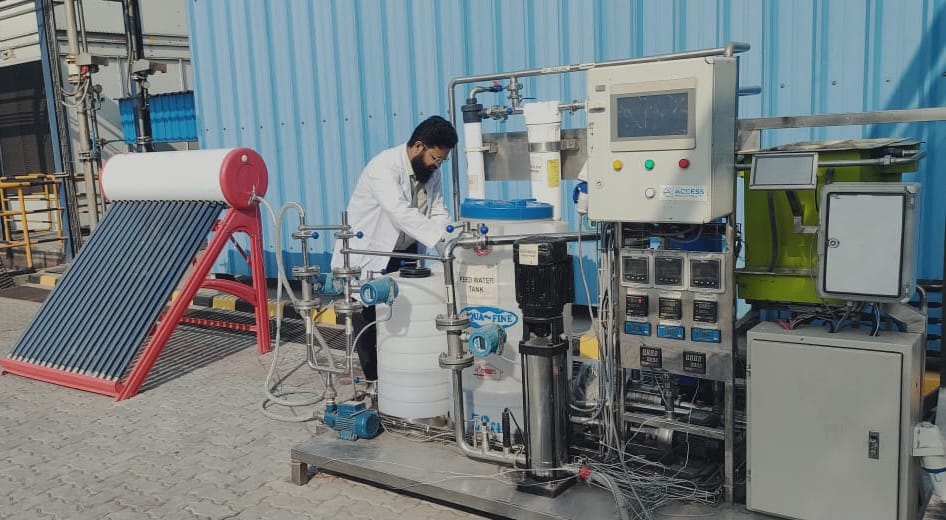
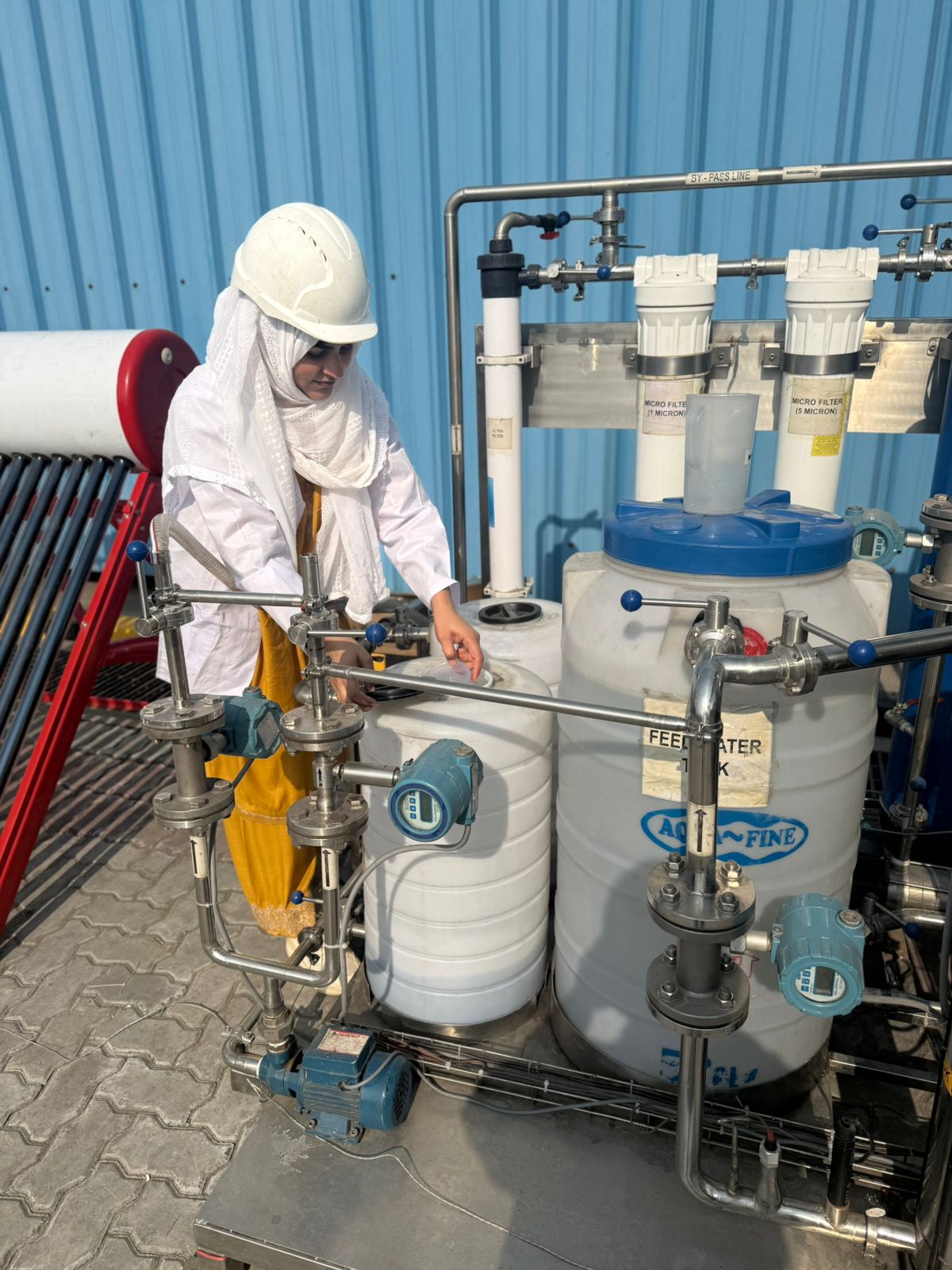
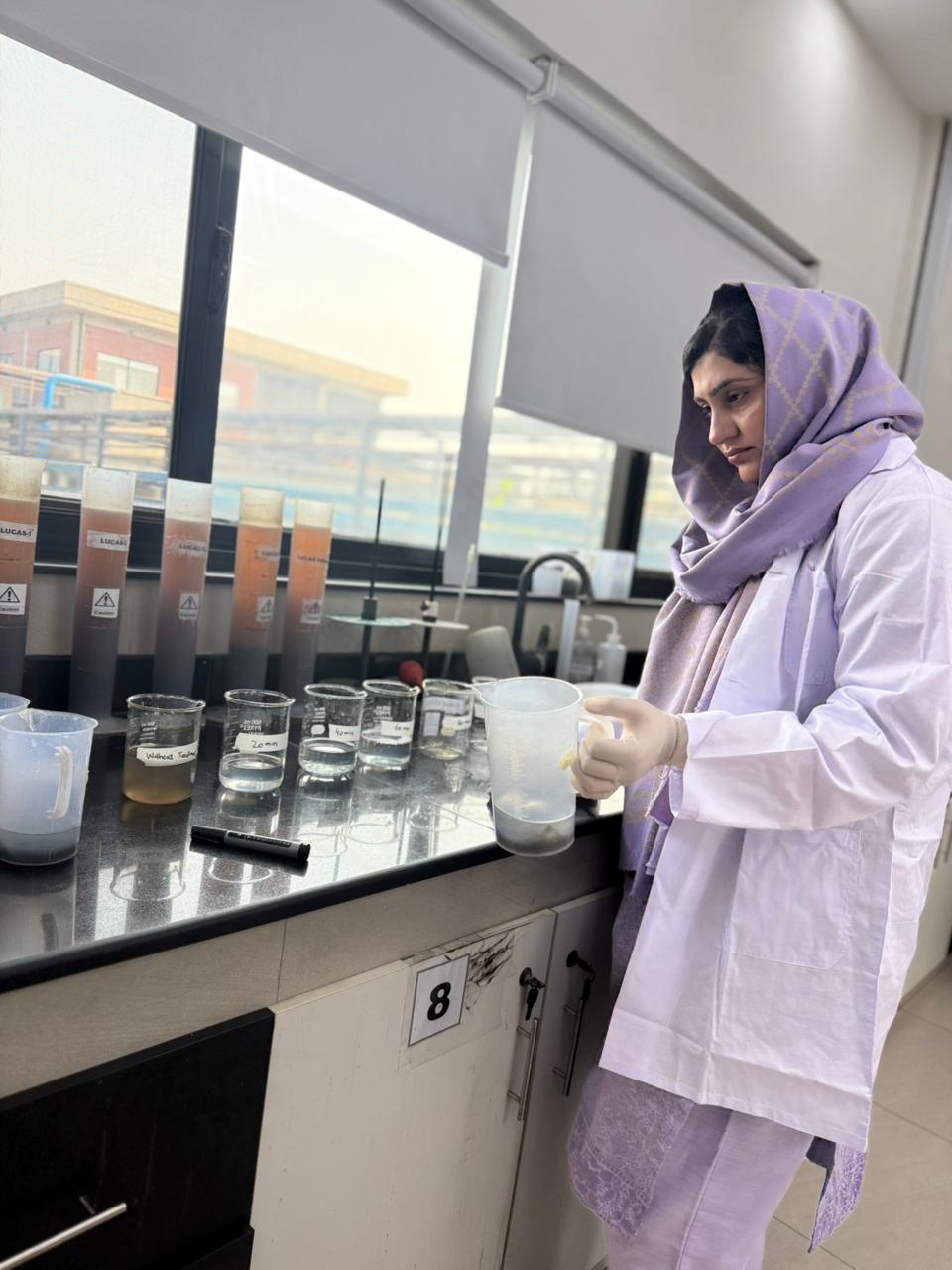
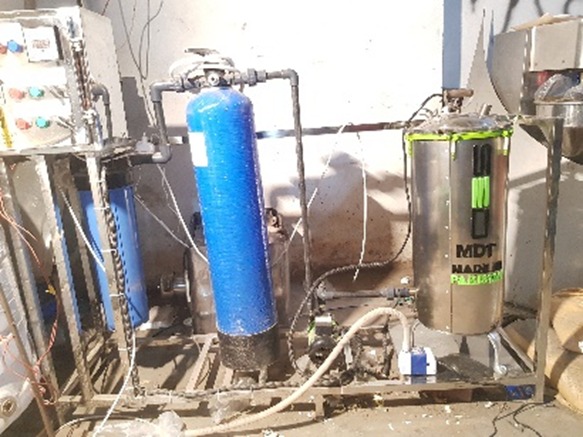
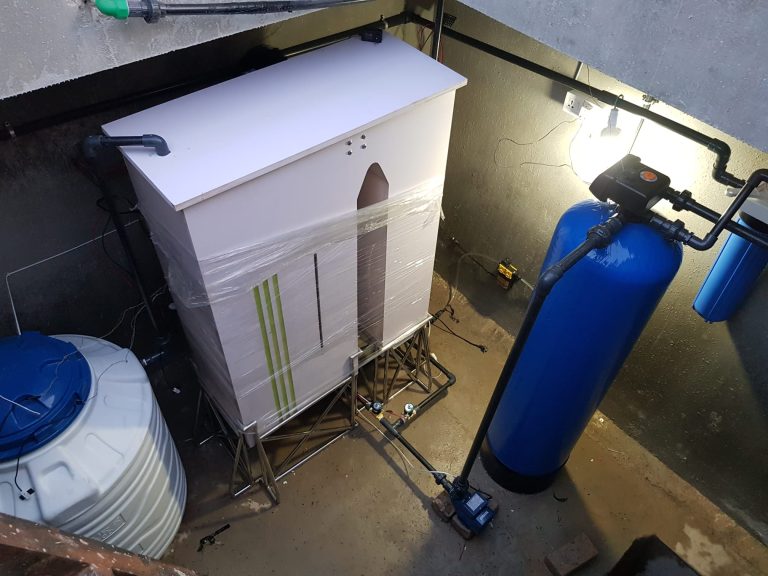
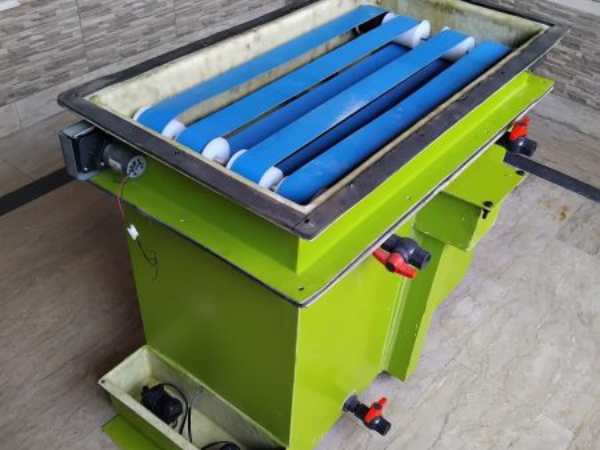
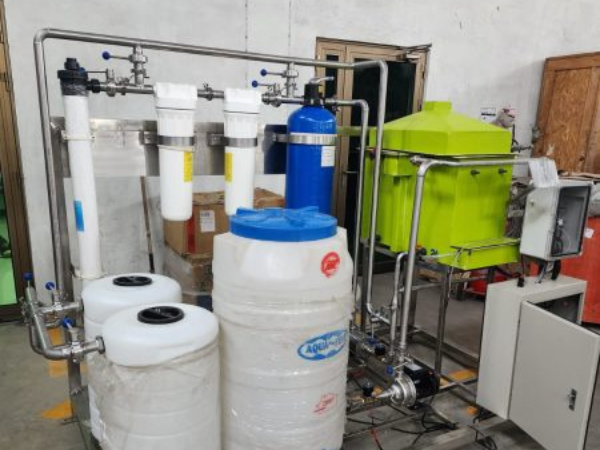
Molecular Distortion Technology involves applying an electric potential via electrodes to generate reactive species that oxidise and break down organic contaminants, enabling compliance with international environmental standards and supporting a circular economy in textile manufacturing. Tested at textile factories in Pakistan, the approach has demonstrated excellent performance and is being advanced toward larger-scale deployment.
Molecular Distortion Technology at a Glance
98%
POLLUTANT REMOVAL EFFICIENCY
removes major organic and hazardous chemicals from textile wastewater
90%
WATER REUSE RATE
treated wastewater safe for reuse in production processes
40%
CAPITAL COST SAVINGS
compared to conventional wastewater treatment solutions
50-60%
ENERGY CONSUMPTION
reduction versus traditional treatment methods
SOLAR-INTEGRATED
ENERGY RECOVERY
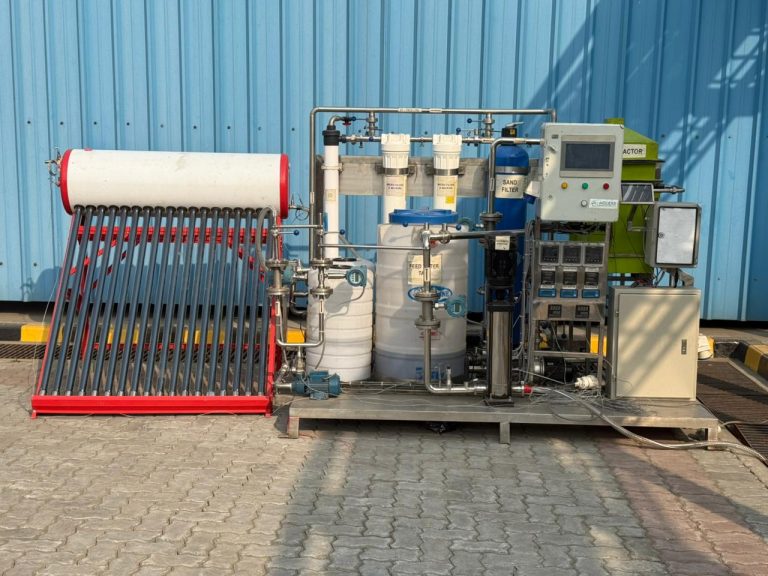
solar evacuated tube collectors boost heating and energy efficiency
MODULAR & MOBILE
DEPLOYABLE SYSTEMS
fabricated locally for cost efficiency and scalability
Why Textile Wastewater Circularity Matters
20,000+
CHEMICALS DISCHARGED
from untreated textile wastewater into waterways, posing ecological and health risks
TEXTILE INDUSTRY
HIGH WATER FOOTPRINT
large volumes of water contaminated during dyeing and finishing
WATER SCARCITY
INDUSTRIAL IMPACT
polluted water exacerbates regional water insecurity and resource depletion
GLOBAL STANDARDS
COMPLIANCE REQUIRED
Zero Discharge of Hazardous Chemicals (ZDHC) and other benchmarks
CIRCULAR ECONOMY
RESOURCE EFFICIENCY
water reuse and energy recovery reduce dependency on fresh water and fossil fuels
02
CHALLENGE
The global textile industry generates massive volumes of wastewater laden with dyes, surfactants, heavy metals, and other hazardous chemical residues. Untreated or inadequately treated effluent leads to severe environmental contamination, biodiversity loss, and public-health concerns. Conventional wastewater treatments such as biological reactors, coagulation-flocculation, and membrane filtration often struggle with recalcitrant pollutants, high operational costs, and limited scalability in developing markets. In addition, textile factories face growing regulatory pressure to meet stringent standards and adopt sustainable practices in response to international market demands.
Without innovative, cost-effective, and scalable wastewater solutions, textile manufacturing continues to externalise water and environmental costs, undermining both economic and sustainability goals.
Why the Water Challenge Persists
Orphaned
Invisible
Expensive
03
APPROACH & TECHNOLOGY
Approach
Electrochemical Advanced Oxidation (Molecular Distortion)
- Electrodes apply an electric potential to wastewater
- Reactive oxidising species break down organic contaminants
- Effectively eliminates complex dyes, surfactants, and chemical residues
Water Reuse & Circularity
- Treats effluent to quality suitable for reuse
- Supports industrial recycling loops
- Minimises fresh water withdrawal
Energy Integration & Solar Heating
- Solar evacuated tube collectors reheat treated water up to 80–90 °C
- Reduces fossil energy use and greenhouse gas emissions
Modular & Locally Fabricated Systems
- Designed for on-site fabrication and deployment
- Scalable from pilot units to larger industrial systems
- Rapid installation with local workforce engagement

Results
Demonstrated Outcomes
- Up to 98 % removal of key pollutants in textile wastewater
- Enables ≥90 % water reuse for internal industrial processes
- 40 % capital cost and 50–60 % energy cost reductions vs traditional systems
- Meets international environmental standards (e.g., ZDHC, USEPA, ISO)
- Solar-assisted heating integrates clean energy and reduces emissions
S2Cool is redefining cooling — not by consuming more energy, but by needing far less of it.
04
MARKET & APPLICATIONS
Primary Use Cases
- Textile mills (wastewater treatment and water reuse)
- Compliance with export-driven environmental standards
- Industrial parks with shared water infrastructure
- Green manufacturing certification support
Secondary Applications
- Leather and tannery wastewater remediation
- Dye-intensive processes across manufacturing sectors
- Water-scarce regions requiring industrial water circularity
- As a complement to zero-liquid-discharge (ZLD) systems
05
MOVING FORWARD
Role of MD Technology
Molecular Distortion Technology enables the transition of textile wastewater management from a linear disposal model to a circular, resource-efficient model that reduces environmental footprints and supports sustainable industrial growth.
Near Term (0–1 Years)
- Large-scale pilot commissioning at textile suppliers
- Finalise system optimisation and performance data
- Stakeholder training and capacity building
Medium Term (1–3 Years)
- Commercial roll-out with local manufacturing partners
- Strategic partnerships with industry associations and regulators
- Integration into broader textile circular-economy frameworks
Long Term (3+ Years)
- Standard adoption across textile clusters in South Asia
- Inclusion in international environmental certification programmes
- Contribution to global SDG targets (water, climate, and sustainable manufacturing)
07
MULTIMEDIA


08
IP & DEVELOPMENT STATUS
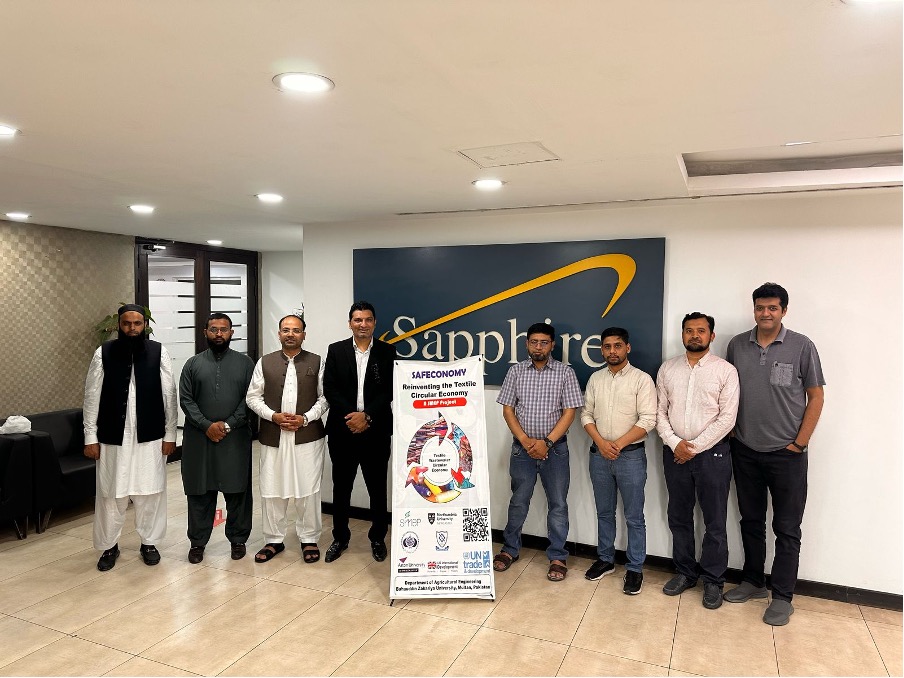
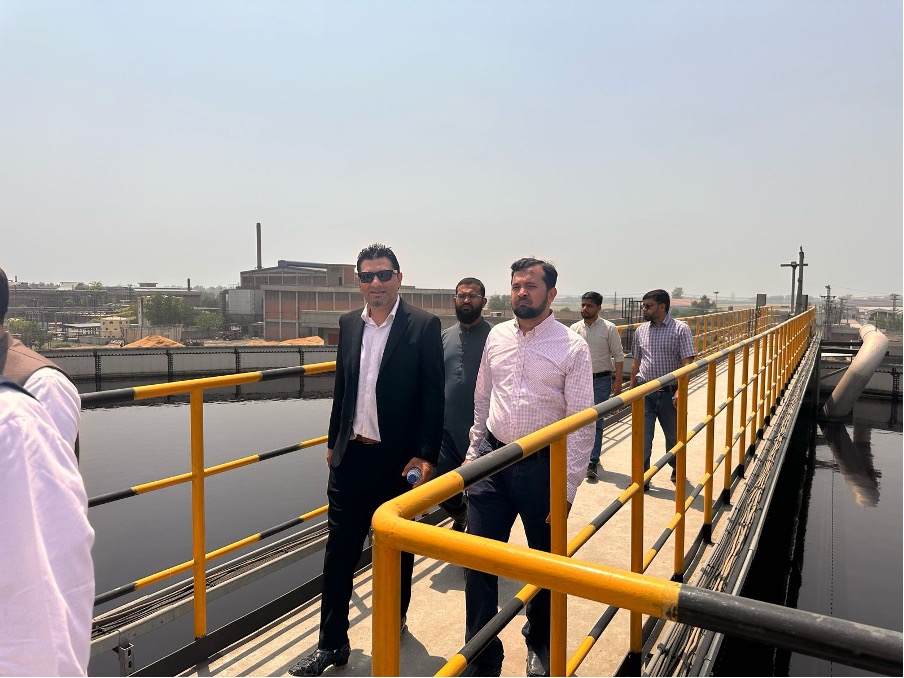
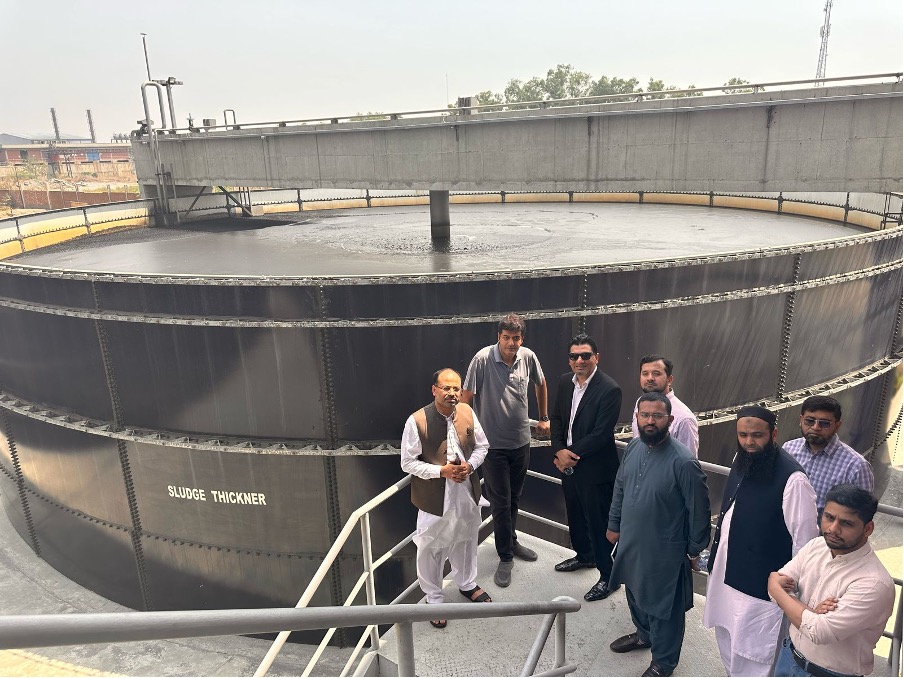
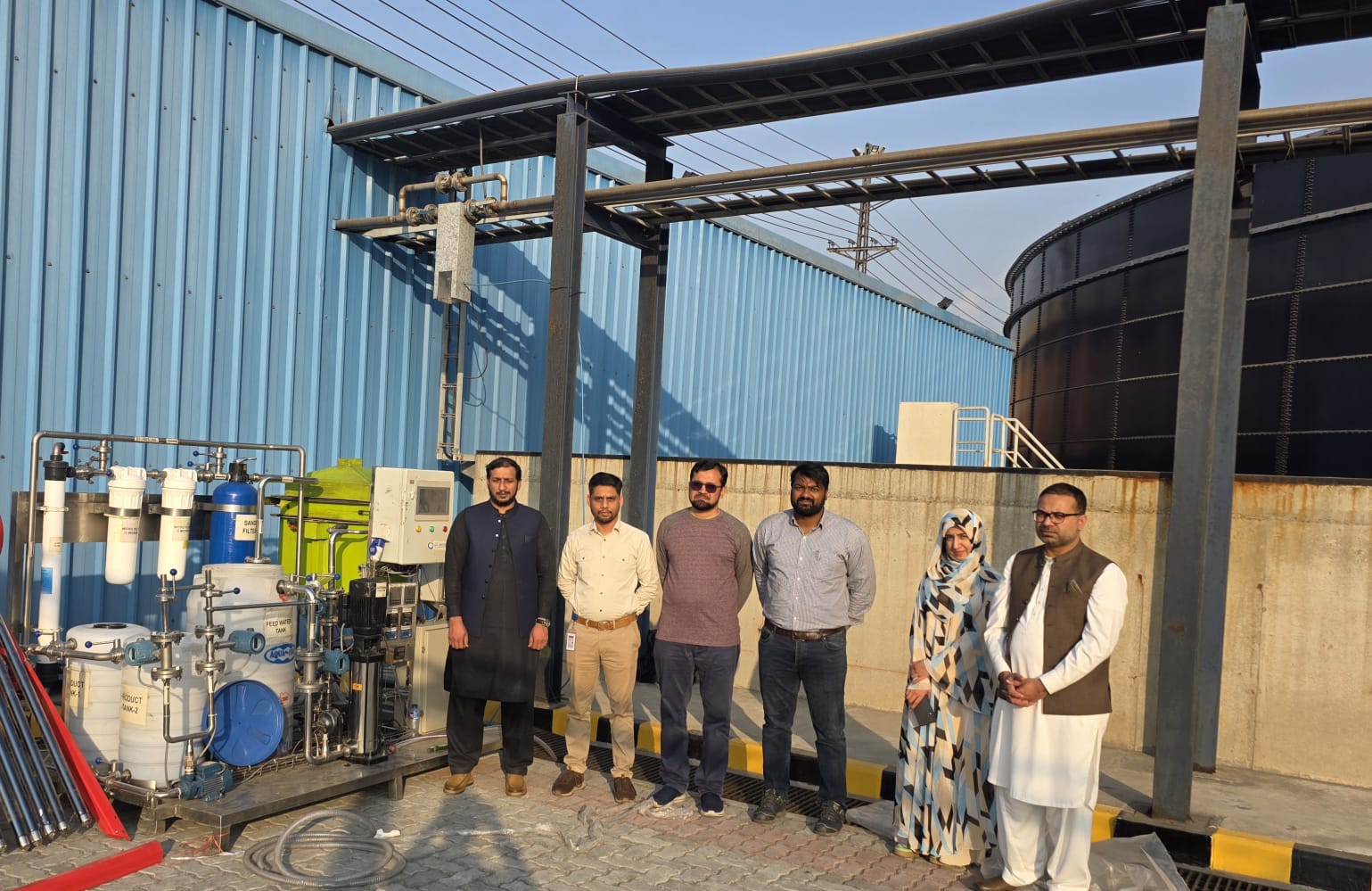
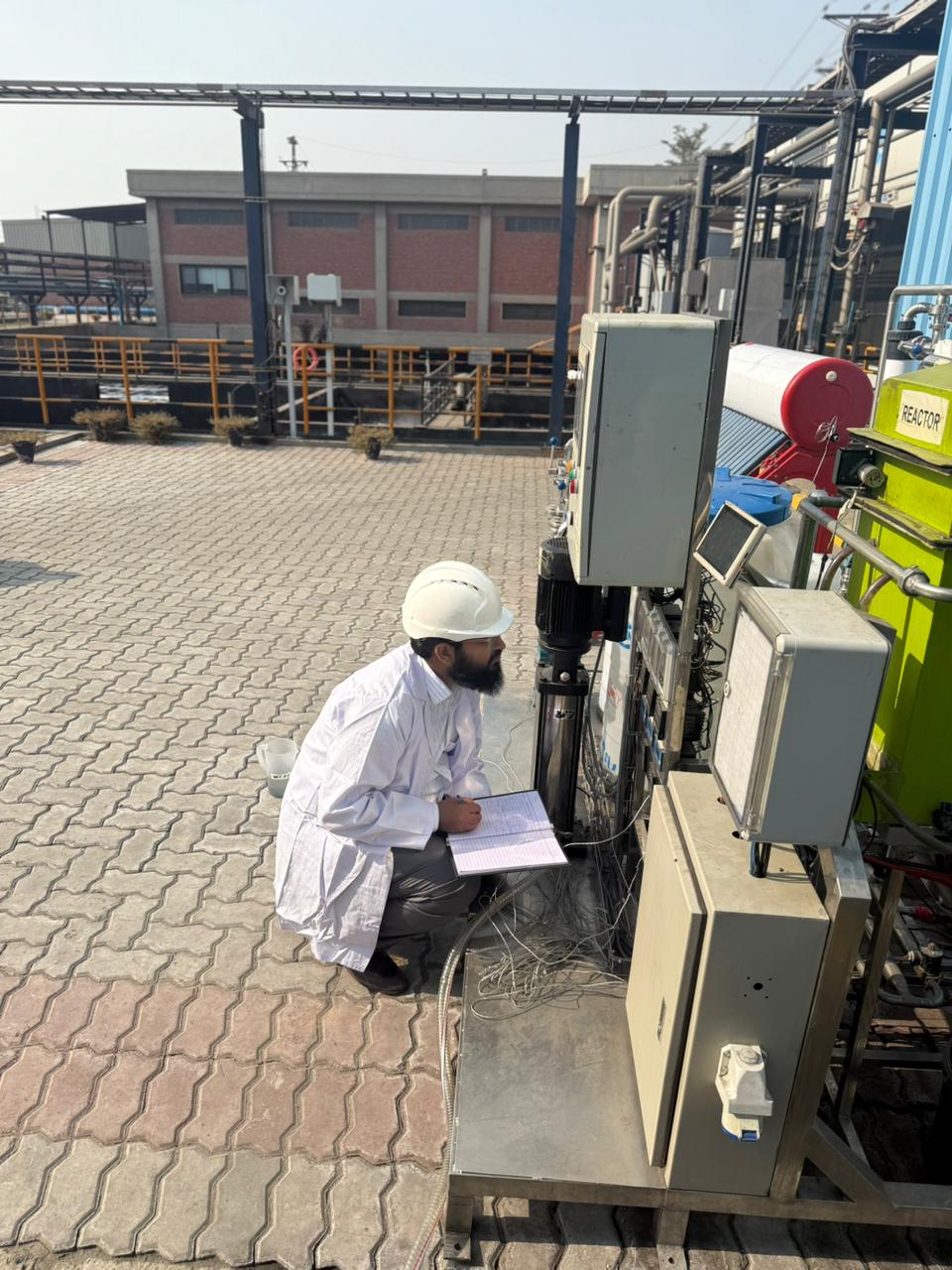
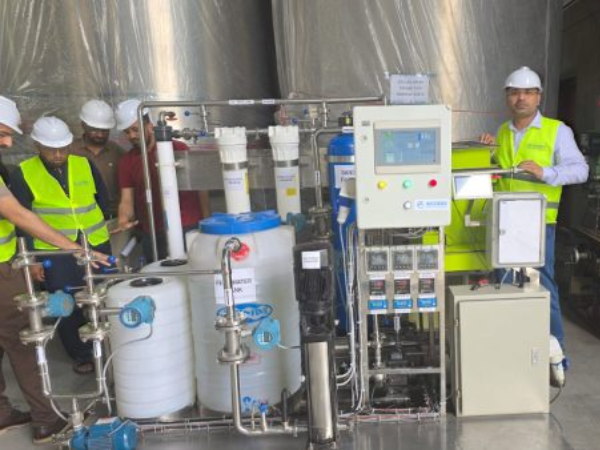
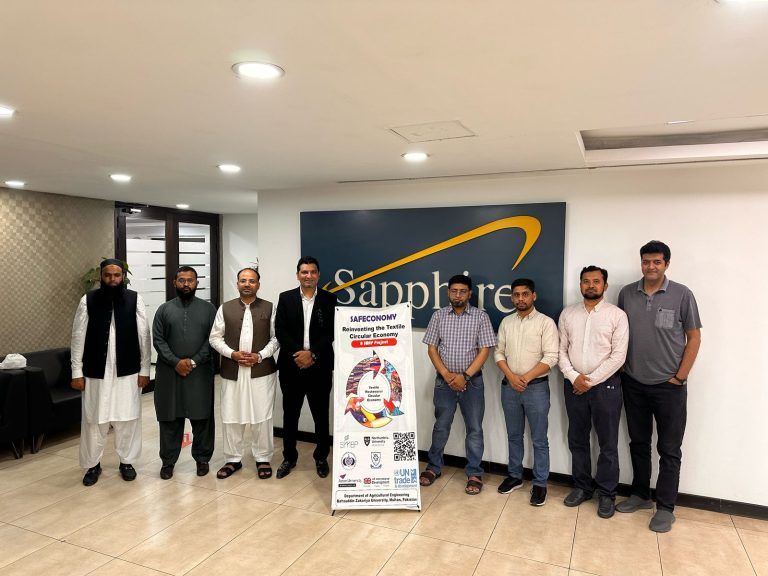
- Technology Readiness Level (TRL) 8-9, with pilot successfully tested in authentic industrial operating conditions at Sapphire Finishing Mills, Pakistan
- Performance validated against key effluent and pollutant removal metrics
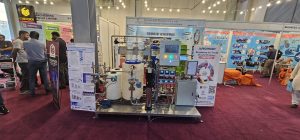
- Modular system units fabricated locally in collaboration with Access Engineering, Pakistan, enabling scalable manufacturing
- Commercially pilot-ready, with clear pathways for scale-up, technology transfer, and market deployment