Chilled Pod – Portable Off-Grid Cold Storage for Food Security
01
Synopsis
Chilled Pod is an innovative, portable cold storage solution designed to preserve food freshness in off-grid, remote, and climate-vulnerable environments. The system provides short-term refrigeration to reduce food spoilage, support last-mile food distribution, and enhance food security for communities with limited access to reliable cold-chain infrastructure.
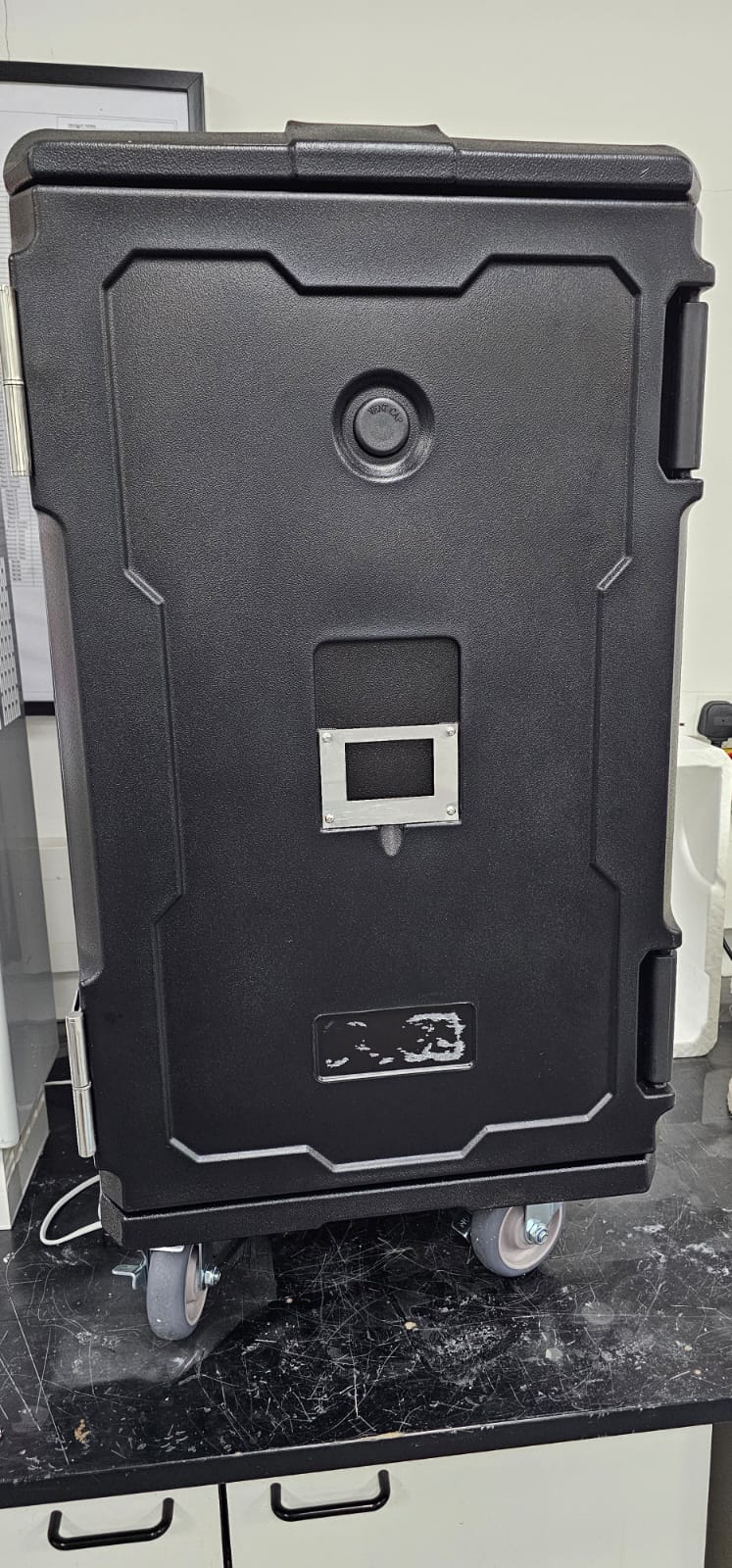
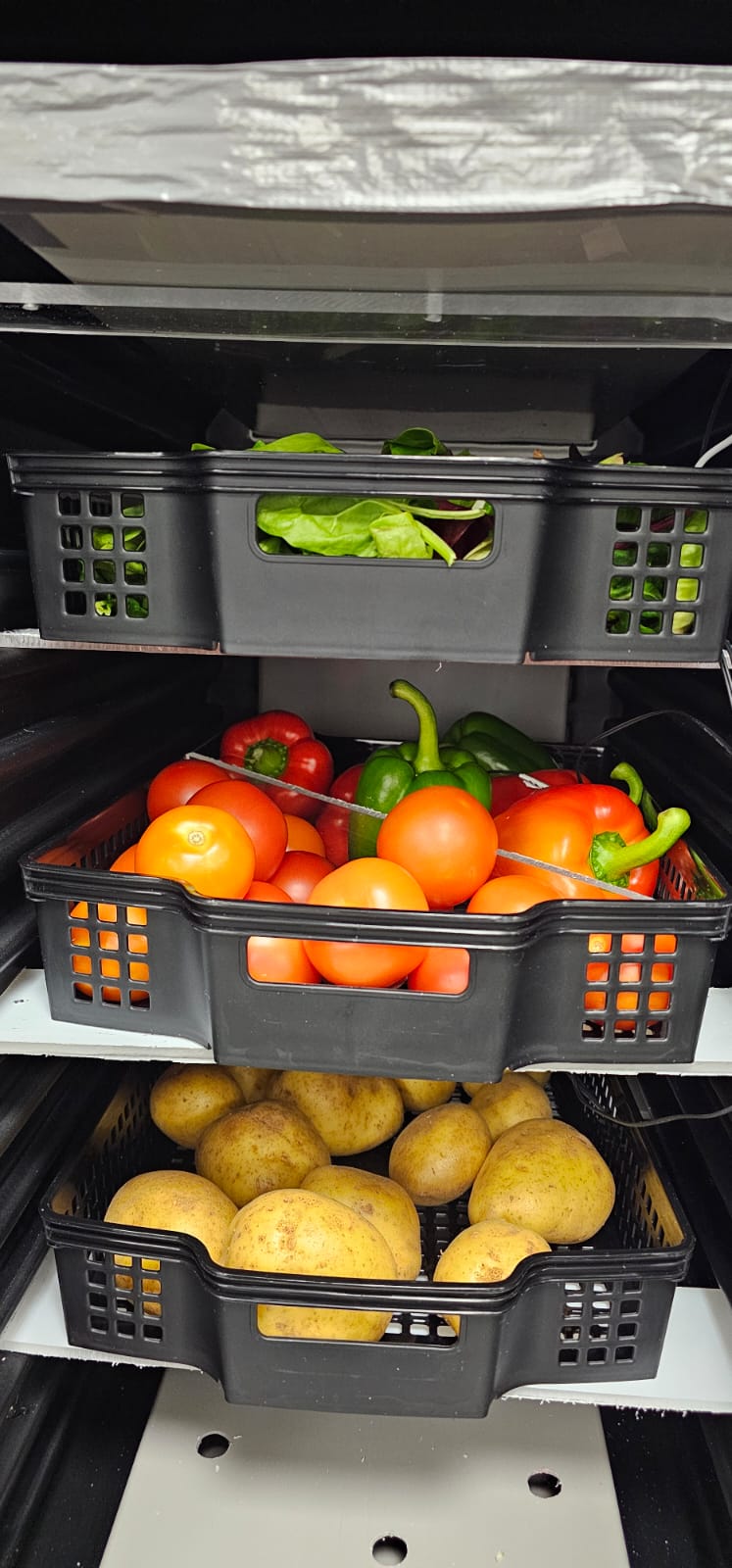
Developed as a compact, modular, and transportable unit, Chilled Pod enables safe food storage for up to 8 hours without reliance on grid electricity. The technology is particularly suited for smallholder farmers, street vendors, humanitarian food distribution, and emergency response scenarios.
Chilled Pod is designed for rapid deployment, ease of use, and scalable adoption, offering a practical solution to post-harvest losses and food insecurity.

Chilled Pod at a Glance
OFF-GRID OPERATION
No dependency on grid electricity
UP TO 8 HOURS
FOOD FRESHNESS MAINTENANCE
PORTABLE & COMPACT
Easy to transport and deploy
MODULAR DESIGN
Scalable for different storage needs
FOOD-SECURITY FOCUSED
Designed to reduce post-harvest losses
02
CHALLENGE
Globally, a significant proportion of food is lost after harvest due to the lack of cold storage and cold-chain logistics, particularly in developing and climate-stressed regions. Small-scale farmers, vendors, and humanitarian supply chains often operate without access to reliable refrigeration.
Rising temperatures, unreliable electricity supply, and inadequate infrastructure exacerbate food spoilage, reduce incomes, and threaten nutrition and food availability. Conventional cold storage solutions are capital-intensive, energy-hungry, and unsuitable for decentralized or mobile use.
There is a critical need for affordable, portable, and off-grid cold storage solutions that can preserve food quality, reduce waste, and support food security.
Why the Water Challenge Persists
Orphaned
Invisible
Expensive
03
APPROACH & TECHNOLOGY
Approach
Portable Cold Storage Design
- Compact insulated pod designed for mobility
- Maintains stable internal temperature for food preservation
Off-Grid Operation
- Designed to operate without grid electricity
- Suitable for remote, rural, and informal market settings
Modular Architecture
- Units can be deployed individually or in clusters
- Flexible storage capacity based on user needs
Rapid Deployment
- Minimal setup requirements
- Easy to operate with basic training
Results
Demonstrated Outcomes
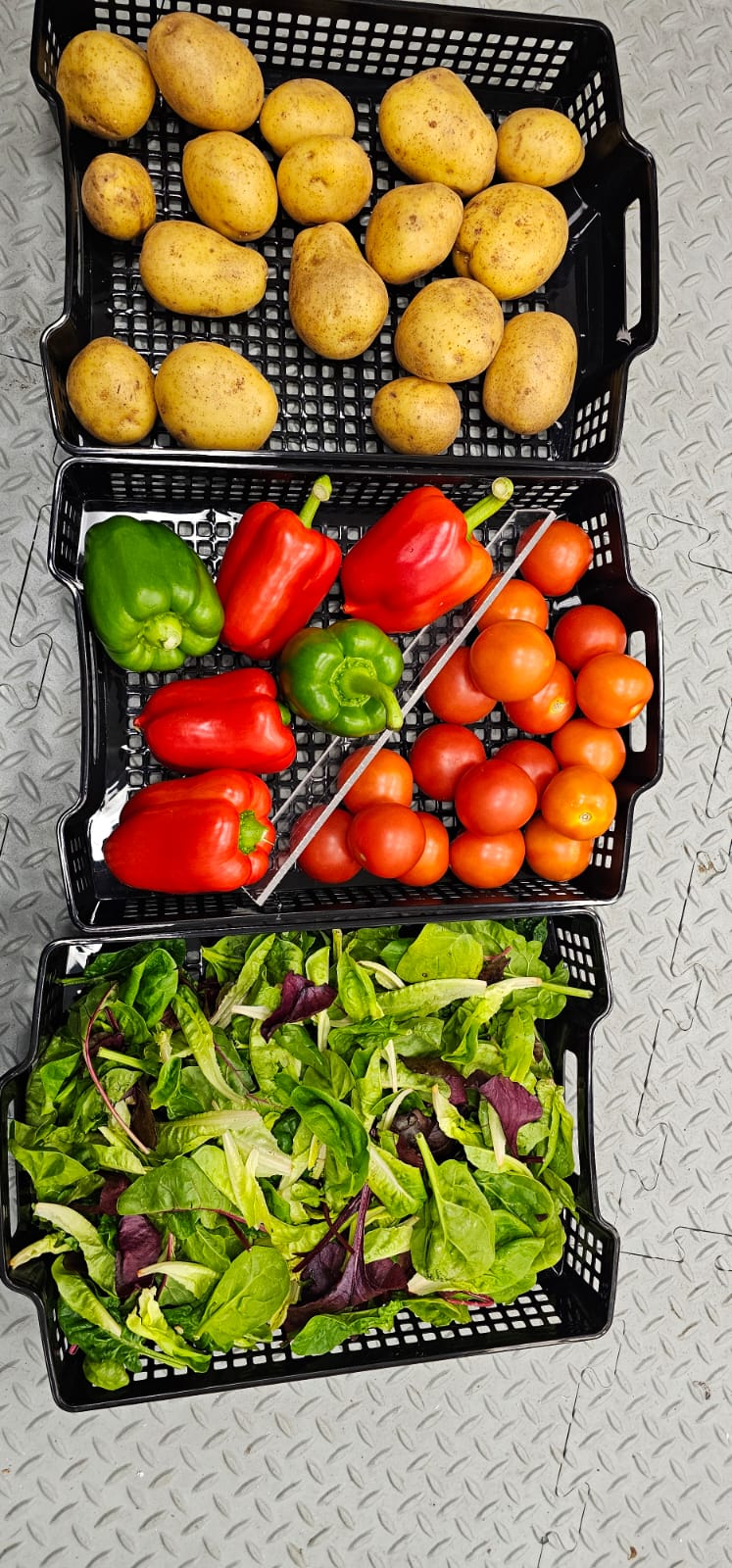
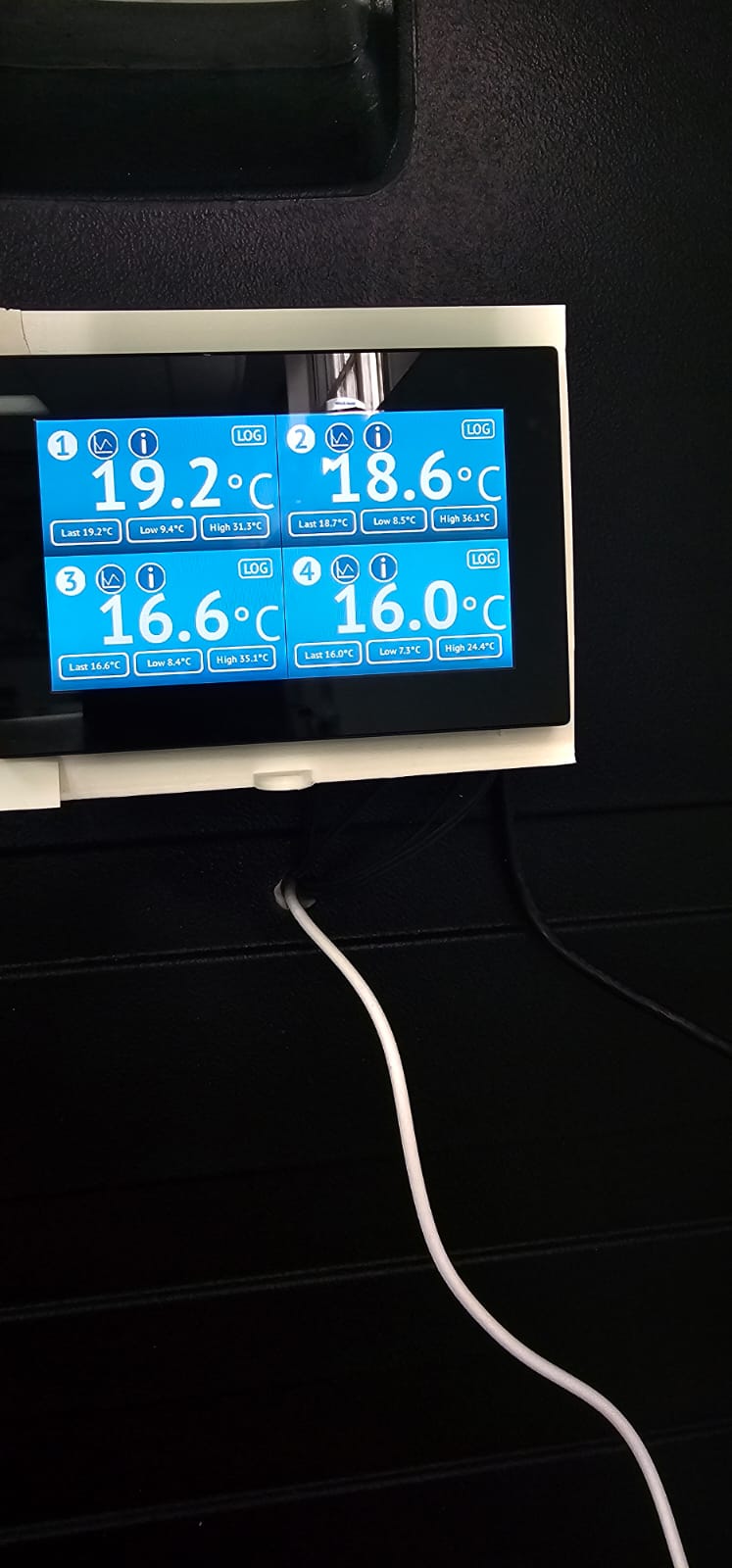
- Maintains food freshness for up to 8 hours
- Reduces post-harvest and market-level food losses
- Enables safer food handling and distribution
- Supports income stability for small vendors and farmers
S2Cool is redefining cooling — not by consuming more energy, but by needing far less of it.
04
MARKET & APPLICATIONS
Primary Use Cases
- Smallholder farmers and cooperatives
- Street vendors and local food markets
- Humanitarian food distribution and relief operations
- Temporary food storage during transport
Secondary Applications
- Disaster response and emergency food logistics
- Mobile food businesses
- Rural aggregation points
- Informal and peri-urban food supply chains
05
MOVING FORWARD
Chilled Pod Role
Chilled Pod acts as a decentralised, last-mile cold storage solution that bridges the gap between production, transport, and consumption. By enabling short-duration refrigeration in off-grid settings, it strengthens food systems and reduces waste.
Near Term (0–1 Years)
- Field trials and user feedback collection
- Design optimisation and insulation improvements
- Pilot deployments with food vendors and NGOs
Medium Term (1–3 Years)
- Manufacturing scale-up
- Strategic partnerships with food security organisations
- Integration into humanitarian and agricultural programmes
Long Term (3+ Years)
- Widespread adoption in food-insecure regions
- Integration into decentralized cold-chain systems
- Contribution to SDGs 2 (Zero Hunger), 7 (Clean Energy), and 12 (Responsible Consumption)
07
MULTIMEDIA


08
IP & DEVELOPMENT STATUS
- Concept validated through detailed engineering design and feasibility studies
- Portable prototype architecture finalised, including system layout and operational configuration
- Pilot-ready, with preparedness for controlled field deployment, performance testing, and data-driven optimisation